Care / Guide
Electric blanket controllers
Most of the rules in the manual are about the controller, not the blanket. It is also the part that caused the biggest recall in this category, and the part no listing describes.
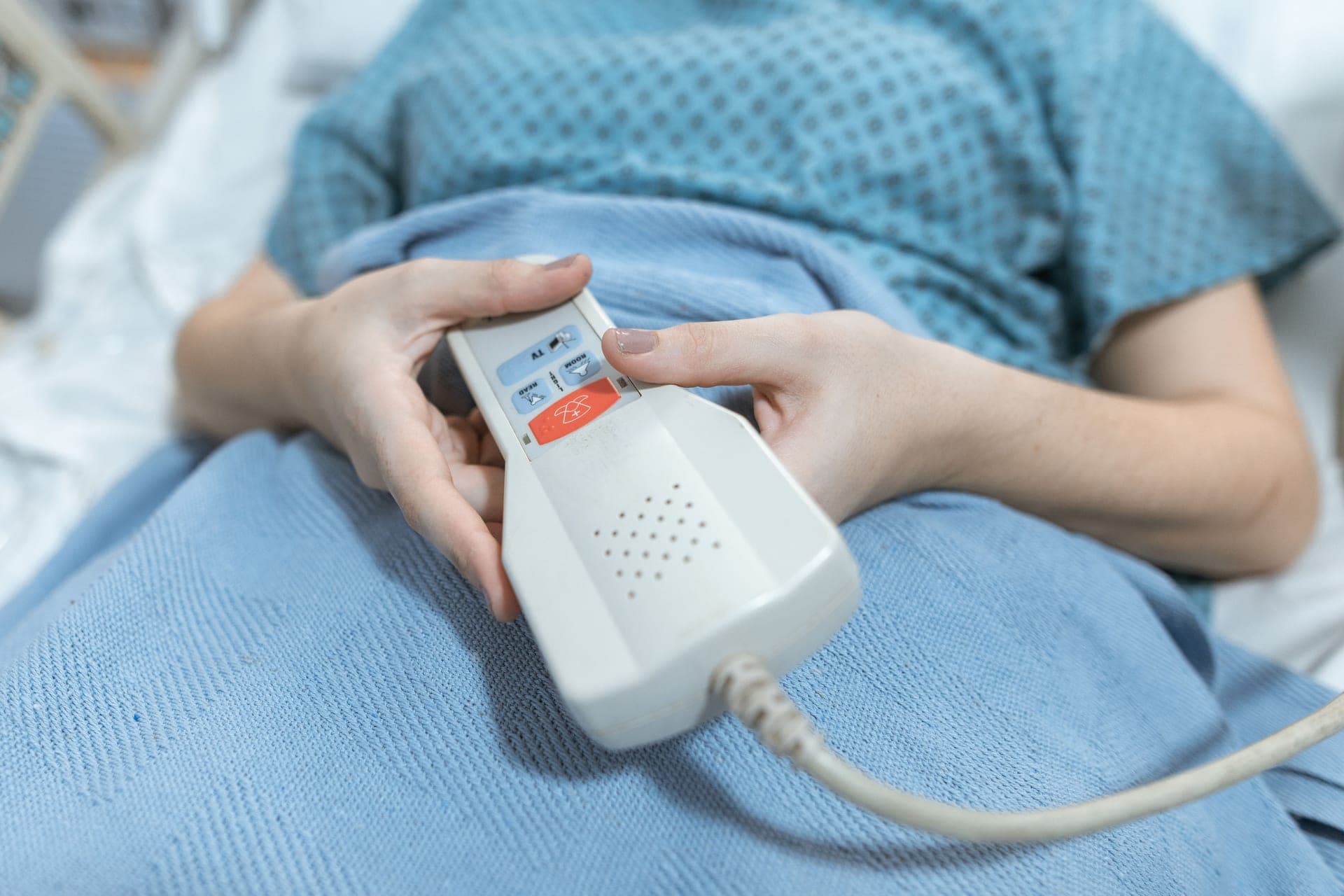
The controller is the small corded box that sets the heat level and runs the timer. It is not an accessory: UL 964, the US safety standard for heated bedding, defines the product as being supplied with it. It is also the component that malfunctioned in the largest recall in this category and the one most of the manual's rules are written about. Do not cover it, do not get it wet, and do not fit one from a different blanket.
It is part of the product, not an accessory
UL 964, *Standard for Electrically Heated Bedding*, is the standard every certified heated blanket, throw and mattress pad in the United States is tested against. Its own scope statement names the controller as part of what the product is:
Read that carefully and you get the whole architecture of the category in two sentences. There is no such thing as an uncontrolled heated blanket. The heat level, the timer and the shut-off all live in that box, which means the controller is not a convenience wrapped around a blanket. It is the half of the product that decides what the other half does.
What we actually track: one, two, or a switch on the cord
The standard allows a switch, one control unit, or two. All three appear in the products we track, and the split is worth knowing before you shop, because nothing on a listing tells you which architecture you are buying until you read the size line.
| Architecture | How many | Where it turns up |
|---|---|---|
| One handheld controller | 20 | Every throw and wearable, both twins, the full, and the single-control queens |
| Two handheld controllers | 18 | Dual-control queens and kings, and most queen-or-larger mattress pads |
| A switch on the cord or on the blanket | 5 | All four 12V products and the battery shawl |
Counted from the product registry on 2026-09-14, from each maker's own listing. Several products change architecture by size: Biddeford ships two on queen and king and one on twin and full, and Valthie ships two on queen and larger and one below it. Read the size line, not the product name.
The heat settings live in that box too, and the spread is wider than anything else in the category: three levels at the low end on the Beautyrest throw and poncho, twelve at the high end on every Sunbeam and both Valthie pads. Six is the most common. That is a controller specification being sold as a blanket specification, and it is the one spec that genuinely differs between two otherwise identical products.
It is the part that failed, at scale
Nine heated-bedding recalls appear on the CPSC record since 2018 and they resolve into three failure mechanisms: the element overheating, the cord detaching, and the controller malfunctioning. The third one is the largest.
In March 2023 the CPSC announced the recall of about 350,000 Bedsure electric heating blankets and pads. The hazard, in the agency's own words, was that the controller can malfunction, posing fire and thermal burn hazards. The firm had received 137 reports of products catching fire, burning, melting or overheating, including 17 burn injuries, one of them second-degree. By units and by injuries it is the biggest notice in the category, and the defective part was the box in your hand rather than the fabric on the bed. The seven affected model numbers are on the Bedsure recall, and the full category record is on heated blanket recalls.
That is worth holding onto when you inspect a blanket. The two-minute check on what actually goes wrong is mostly about the element and the cord, because those are what you can see. The controller is the failure you cannot inspect.
Most of the rules in the manual are about this box
Read a US heated blanket manual and count the instructions. The blanket itself gets a handful. The controller gets most of them, and they are unusually specific for a category that is vague about almost everything else. Quoted from the standard US manual:
- "Run the control cord on the floor under the bed. Do not sandwich cord between the mattress and box spring."
- "Always make sure cords and controls are NOT trapped or pinched between bed slats, mattress, springs, against wall, footboard or bed frame."
- "Do not tuck or wrap the heated blanket, supply cord or control in a sofa or other furniture. All portions of the heated blanket and controller should be visible at all times."
- "Controller is NOT waterproof. Do not immerse in water."
- "Keep the control away from drafty areas that may become damp or wet such as an open window."
- "Turn off or unplug the control for the heated blanket when not using."
- "Wrapping the cord around the controller may damage the cord. Loop loosely when storing."
Every one of those is about heat or moisture reaching a sealed electronic module that was not designed for either. The controller senses temperature; covering it, pinching it or trapping it against a bed frame defeats the protection you bought. That is the same reasoning behind auto shut-off, and what it does not protect you from: the safety features only work while the part doing the sensing can sense.
Why you should not fit a controller from another blanket
This is the most-asked practical question about heated bedding and the answer is genuinely a safety answer rather than a warranty one.
A controller is matched to the element it was tested with. The element has a specific resistance and length; the controller is rated for a specific load and its thermostat is calibrated for that pairing. Certification is granted to the pair, not to either part alone, which is what the UL 964 scope statement above is describing when it says the bedding *is supplied with* its control. Two connectors fitting each other physically tells you nothing about whether the electronics match, and manufacturers change controls between model years, which is why a controller from the same brand is not the same thing as a controller for your blanket.
The manual's own instruction, when the blanket stops working, is not to substitute a part. It is: "DO NOT attempt to make any internal adjustments to this appliance. If you tried all of the solutions above and the heated blanket still does not work, stop using it immediately, disconnect the power cord and contact us."
We are not going to recommend a marketplace replacement controller, because we cannot verify the pairing and neither can the seller. If yours has failed and the manufacturer will not supply the matched part, the blanket has reached the end of its life. That is the unwelcome answer, and it is the same conclusion reached from the other direction on how long do electric blankets last.
One controller or two is a purchase decision
The most consequential controller question is decided before you own the blanket. A single controller heats the whole bed to one temperature, and no number of heat settings fixes two people who disagree about it. Thirteen of the thirty-five products we track ship two, and none of them is smaller than a queen.
If the bed is shared, that is the specification to buy on: dual control electric blankets for blankets, dual control heated mattress pads for pads. If the bed is not shared, a second controller is a second thing to lose.
What to do when the controller stops working
- 1Check the connection at the blanket end first. The plug between the controller lead and the blanket works loose, and a partly seated connector is the most common reason a blanket reads as dead. Unplug from the wall, reseat it firmly, then plug back in. The full diagnostic order is on electric blanket not heating.
- 2Try the other outlet. Not a power strip and not an extension cord. Biddeford prohibits both outright and every other maker discourages them, so a wall socket is also the only test that matches the instructions.
- 3Look at the controller and the lead in good light. Scorching, discoloration, a cracked case, a kink or a hard lump in the cord, or any smell of hot plastic. Any of those means stop, not troubleshoot.
- 4Check whether it is the timer rather than the controller. Every product we track shuts itself off, from two hours on the wearable poncho to twelve on most bed products. A blanket that went cold overnight may have done exactly what it was designed to do.
- 5If it still does not work, stop and contact the manufacturer. That is the manual's own instruction, and if the product is inside a stated warranty term the controller is normally covered by it. Sealy and Biddeford publish five years; most of the rest publish nothing, which is covered on how long do electric blankets last.
One thing not on that list is opening the controller. The manual prohibits internal adjustments, the case is not designed to be reopened, and there is nothing user-serviceable behind it.
Buying with the controller in mind
Three things are worth deciding at purchase rather than discovering later:
- One or two. Decided by whether the bed is shared, not by the size of the mattress.
- Whether you can read and work it in the dark. Backlit displays and physical buttons beat a flat touch panel, and this matters far more for some households than others. The options are gone through on heated blankets for older adults.
- Where it will physically sit. It needs to be reachable, visible and not pinched, which means the socket position and the bed frame decide it. That is the same constraint as the cord-length question on how to choose an electric blanket.
Questions people actually ask
- Are electric blanket controllers interchangeable?
- Treat them as not interchangeable. The control is matched to the element it was tested with: the element has a specific resistance and the controller is rated and calibrated for that pairing, and certification covers the pair rather than either part alone. Connectors that fit each other physically tell you nothing about whether the electronics match, and makers change controls between model years.
- My electric blanket controller is not working. What should I check?
- Reseat the connector between the controller lead and the blanket, try a wall outlet rather than a power strip or extension cord, and inspect the controller and lead for scorching, a cracked case or a kink in the cord. Also check whether the auto shut-off simply ran out. If it still does not work, the manual's instruction is to stop using it, disconnect it and contact the manufacturer.
- Can I open an electric blanket controller to fix it?
- No. The standard manual says not to make internal adjustments to the appliance, the case is not designed to be reopened, and there is nothing user-serviceable inside. A controller that has failed on a blanket outside its warranty means the blanket has reached the end of its life.
- Why does the manual say not to cover the controller?
- Because it senses temperature. Covering it, pinching it between the mattress and the bed frame, or tucking it into a sofa defeats the protection the product was certified with. The instruction is explicit: all portions of the heated blanket and controller should be visible at all times.
- Has an electric blanket ever been recalled because of the controller?
- Yes, and it is the largest recall in the category. In March 2023 the CPSC announced a recall of about 350,000 Bedsure electric heating blankets and pads because the controller could malfunction, posing fire and thermal burn hazards, after 137 incident reports and 17 burn injuries. Full detail on our recalls page.
Sources
- UL Standards & Engagement - UL 964, Standard for Electrically Heated Bedding, Edition 12 (scope statement quoted; last revised 2020-09-18)
- US CPSC recall 23735 (2023-03-09): Bedshe International Recalls Bedsure Electric Heating Blankets and Pads - controller malfunction, about 350,000 units, 17 burn injuries
- Standard US electric blanket instruction manual - controller instructions quoted verbatim (Manuals+ archive)
Every specification on this page traces to a published manufacturer listing or a government data source. Where a maker publishes no wattage, we say so rather than estimating one.
Read next
- How long do electric blankets last?Five-year warranties, ten-year replacement, and the wear you cannot see.
- Heated blanket recallsFourteen CPSC notices, three failure mechanisms, and how to check your own in two minutes.
- Dual control electric blanketsTwo controllers, two zones, and the per-side wattage where the maker publishes it.
- Auto shut-off, and what it does not protect you fromTwo to twelve hours, what it protects against, and the three things it does not.
- Care and washingWash rules, dryer rules and lifespan, taken from each manufacturer's own instructions.