Hub / Brands
The brands, and what each one tells you
Every brand in this category discloses something and hides something else. One publishes a wattage on every product. Another publishes temperatures nobody else gives. Here is who tells you what.
If you want the running cost, start with Bedsure, the only brand that publishes a wattage on everything. If you want to know how hot it gets, start with Sealy.
We earn a commission on some links here, at no extra cost to you. It does not change what we recommend or the order the picks appear in. How we are funded.
Everything in brands
Roundups first, then the head-to-head comparisons, then the guides.
Roundup / Best documented brand
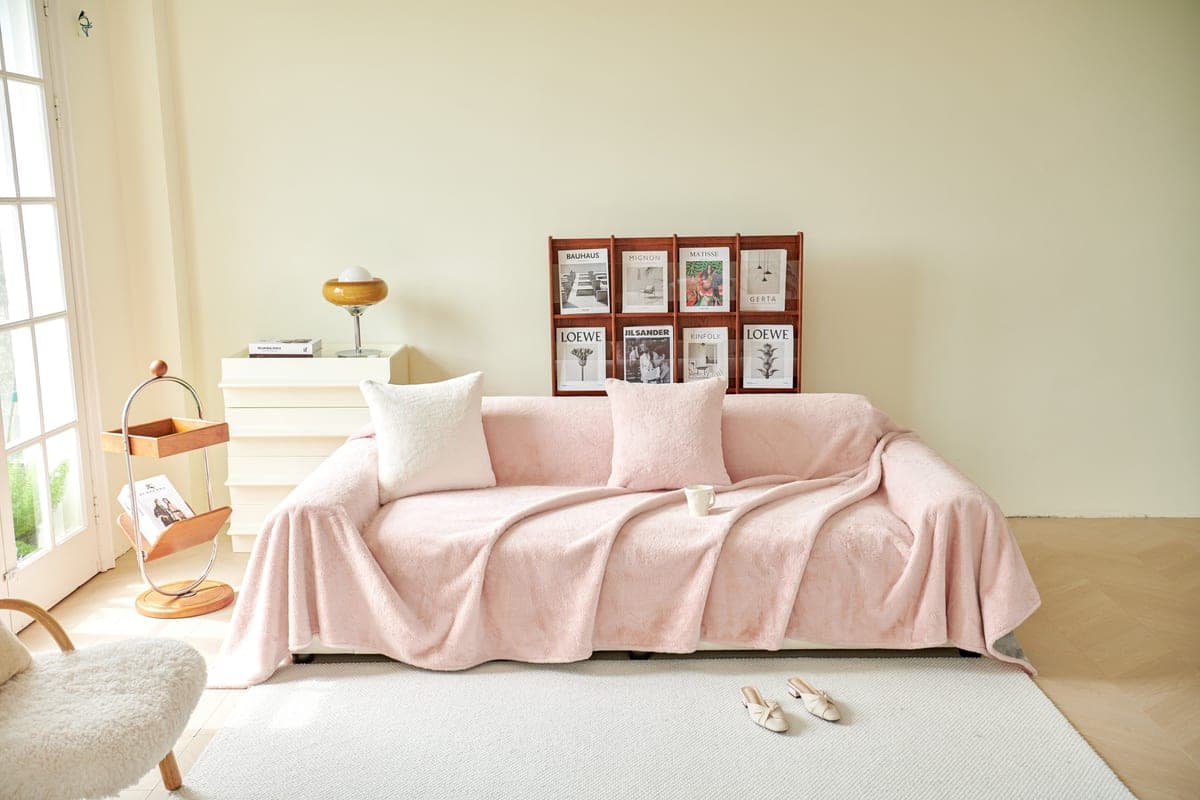
Bedsure heated blankets
Eight products, eight published wattages, and the one thing Bedsure never states.

Top pick: Bedsure GentleSoft Electric Blanket, Queen
Roundup / Best published temperatures
Sealy heated blankets
Temperature ranges and five-year warranties, and never once a wattage.

Top pick: Sealy Heated Mattress Pad, King, Dual Control

Roundup / Lowest published draw
Westinghouse heated blankets
100 W on one listing, nothing on four others, and why that gap is informative.

Top pick: Westinghouse Heated Blanket, Queen
Roundup / Finest heat control
Sunbeam heated blankets
Twelve settings and the best controller in the category, and no published watts anywhere.

Top pick: Sunbeam Royal Posh Velvet Heated Blanket, Queen


Four brands cover most of the US heated-bedding shelf. Bedsure publishes a rated wattage on every product. Sealy publishes delivered temperature ranges and long warranties but no wattage. Sunbeam publishes the finest heat control and almost nothing else. Westinghouse publishes a wattage on exactly one listing out of seven. Beautyrest publishes a five-year warranty on every product and a wattage on none.
Why a brand page is worth writing in this category
Normally a brand page is filler. Here it is not, because the brands in this category differ from each other in a way that actually decides purchases: they disclose different things, and none of them discloses everything.
That means the brand you pick determines which question you can answer before you buy. Choose Bedsure and you can work out what the thing costs to run. Choose Sealy and you can find out how hot it gets in degrees but not what it draws. Choose Sunbeam and you get twelve heat settings and no numbers at all. This is not a small difference and no other publisher in the category reports it.
| Brand | Products tracked | Publishes wattage | Publishes temperature | Longest stated warranty |
|---|---|---|---|---|
| Bedsure | 8 | All 8 | None | Not stated |
| Sealy | 8 | 1 of 8 (100 W) | 3 of 8 (87-126 F, 95-113 F) | 5 years |
| Westinghouse | 7 | 1 of 7 (100 W) | None | 5 years |
| Sunbeam | 5 | None | None | 5 years |
| Beautyrest | 6 | None | 3 of 6 (85-105 F) | 5 years, on all 6 |
Counted from the 43 products in our registry, each read off its live Amazon listing. Serta, Biddeford, Homemate, Valthie, Camco, Stalwart and Zireot are tracked too but have too few products for a brand page.
The one that publishes the number
Bedsure is the outlier and it is not close. Every one of its eight products in our registry states a rated wattage on the listing: 100 W on the throws, 130 W on the full, dual 110 W controllers on the queen and king, dual 100 W on both mattress pads.
We are careful about what that does and does not mean. It does not make Bedsure the best-made blanket in the category, and we have not handled any of these products so we could not tell you if it were. What it means is narrower and still valuable: a Bedsure product is one you can make an informed running-cost decision about, and on this shelf that is rare enough to be a reason to shortlist it.
The one that publishes degrees instead
Sealy answers a different question. Its twin blanket states that the ten settings deliver 87 to 126 F, and its throw states 95 to 113 F. Almost nobody in this category publishes that, and it tells you something a wattage does not: how warm the thing actually gets at the top of the dial.
There is no honest conversion between the two numbers. Watts describe what it costs; degrees describe what it feels like. Both are useful and neither substitutes for the other, which is why we report whichever a maker gives rather than pretending one implies the other.
The inconsistent one
Westinghouse is the most interesting case, because it proves the information exists. Its queen-size flannel blanket states 100 W in the first listing bullet. Its king, both its throws and its 12V car blanket state nothing at all. Same brand, same category, same retailer, different listings.
That tells you the omission elsewhere is a listing-copy decision rather than a manufacturing secret. Whether the other Westinghouse products draw more, less or the same is unknowable from what is published, and we are not going to infer it from the one figure they did give.
The one with the best controller and the least data
Sunbeam gives twelve heat settings where most brands give six or ten, a controller that either dims itself or lights up depending on which model you buy, and a 12-hour selectable shut-off across the range. It publishes no wattage on any product we have checked, in any size, in any year of listing.
If fine control is what you want, Sunbeam is the brand for it and the missing figure is the price of admission. If the running cost is what you want, no amount of heat settings substitutes for the number.
What none of them publishes
- A duty cycle. Every one of these blankets cycles its element off once the bed is warm, and not one maker says how often or for how long. It is why we label every rated wattage as a ceiling rather than an average.
- A measured EMF figure. Four products across these brands claim low EMF; none publishes a field strength in any unit at any distance. See low EMF electric blankets.
- An expected lifespan. Warranty terms are the closest proxy and they run to five years. The broad consumer-safety guidance of about ten years comes from outside the industry, not from it.
Questions people actually ask
- Which heated blanket brand is best?
- On the only axis we can substantiate — what the maker is willing to publish — Bedsure, because it states a rated wattage on every product in its range. On build quality or warmth we have no opinion, because we have not handled these products.
- Which heated blanket brands publish their wattage?
- Bedsure on all eight of its products, Westinghouse on exactly one of its seven, and Sealy on exactly one of its eight. Sunbeam, Beautyrest, Serta and Biddeford publish none. That is 10 of the 43 products we track.
- Is Sunbeam or Sealy better for electric blankets?
- They answer different questions. Sunbeam gives twelve heat settings and no published data. Sealy gives ten settings, a stated temperature range on some models and a five-year warranty, but also no wattage. Neither lets you compute a running cost.
- Are cheaper heated blanket brands worse?
- We cannot tell you that, because it is a build-quality question and we have not handled these products. What we can say is that price does not track disclosure: the brand that publishes the most is not the most expensive one, and the most recognizable names publish the least.